
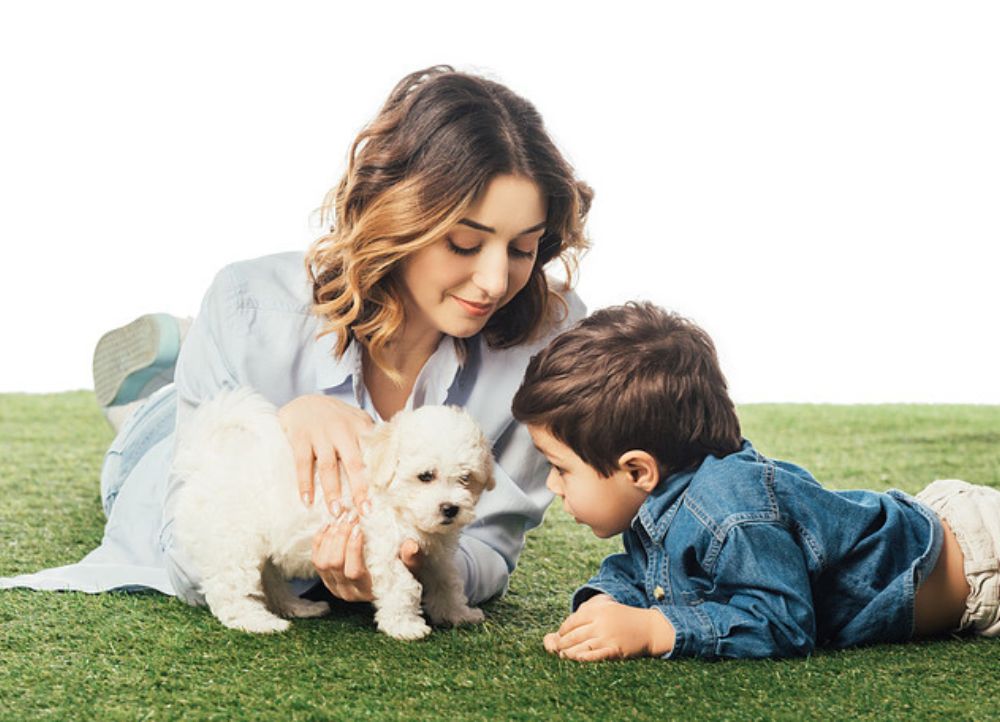
Havanese Puppy Growth Stages | What to Expect Month by Month
Bringing home a puppy is a long-term commitment and understanding how your dog will grow helps you prepare for every stage. This guide explains the complete Havanese puppy growth timeline, offering practical insights into physical growth, behavior changes, and training expectations.
For new owners, knowing what to expect month by month reduces uncertainty and builds confidence. The Havanese is a small, affectionate breed, but like all dogs, it goes through distinct puppy development stages that shape its personality and habits.
Understanding the Havanese Puppy Growth Timeline
The Havanese develops steadily over the first year and a half of life. While small in size, their emotional and behavioral growth is significant. Early experiences influence how they respond to people, training, and new environments later.
Each stage brings different needs. In the beginning, the focus was on care and bonding. As your puppy grows, attention shifts to training, structure, and consistency. By adulthood, your dog becomes more stable but still benefits from routine and engagement.
Month-by-Month Havanese Puppy Development
0 to 1 Month: Early Dependency
In the first month, Havanese puppies rely entirely on their mother. Their senses are not fully developed, and movement is limited. Growth during this stage is rapid but mostly internal. Puppies sleep most of the time and begin developing basic reflexes. Human interaction is minimal, but early gentle handling can support future confidence.
1 to 2 Months: Awareness and Movement
During this stage, puppies begin to explore their surroundings. Their eyes and ears open, and they start interacting with their littermates. Movement becomes more coordinated, and early social behavior develops. This is the beginning of learning how to communicate and respond to others. Exposure to gentle human contact is important for building trust.
2 to 3 Months: Adjustment to a New Home
This is when most puppies transition to their new homes. It is a critical stage in the Havanese puppy growth timeline because early experiences shape long-term behavior.
Your puppy will begin forming attachments and learning routines. House training and basic commands can start at this age. You may also notice early behavior changes, such as curiosity and sensitivity to new environments. Consistency is important here, as your puppy is learning what to expect from daily life.
3 to 4 Months: Social Development and Teething
This is one of the most important puppy development stages. Your Havanese becomes more confident and open to new experiences.
The teething phase begins during this time. Puppies may chew more frequently as their baby teeth start to loosen. This is a natural process, but it requires supervision to prevent damage to household items. Social exposure is essential. Introducing your puppy to different people, sounds, and environments helps build a well-adjusted adult dog.
4 to 6 Months: Exploration and Learning
At this stage, your puppy becomes more active and independent. Physical growth is noticeable, and their coat may begin to change in texture. You may also observe more noticeable behavior changes. Puppies start testing boundaries and may show signs of stubbornness.
This is a normal part of development, not a sign of poor behavior. Training should remain consistent and calm. Reinforcing routines helps your puppy understand expectations and builds long-term habits.
6 to 8 Months: Early Adolescence
This phase marks the beginning of adolescence. Your Havanese may become more independent and occasionally less responsive to commands. It is common for puppies to temporarily forget previously learned behaviors.
This is not a regression, but part of the developmental process. Patience is essential. Continuing structured training and maintaining routines will help guide your puppy through this stage.
8 to 12 Months: Developing Maturity
As your Havanese approaches one year, its personality becomes more defined. You may notice improved focus and a stronger ability to follow commands. Physical growth slows down, and your dog reaches near adult size.
Emotional maturity continues to develop, and behavior becomes more predictable. This is a good time to reinforce training and ensure your dog is comfortable in different situations.
12 to 18 Months: Transition to Adulthood
This stage is where many owners begin to notice a calmer, more stable dog. It also answers a common question: when do Havanese calm down? Most Havanese begin to settle between 12 and 18 months.
While they remain playful, their energy becomes more manageable, and impulsive behavior decreases. Consistency in routine and interaction plays a major role in how quickly your dog reaches this stage.
Teething Phase in Havanese Puppies
The teething phase usually occurs between 3 and 6 months. During this time, puppies experience discomfort as their adult teeth come in. You may notice increased chewing and mild irritability. This is a temporary stage, but it requires attention.
Providing appropriate chew options helps redirect this natural behavior. Avoid punishing your puppy for chewing, as it is part of normal development. Instead, focus on guidance and supervision.
Behavior Changes Throughout Growth
Understanding behavior changes helps you respond appropriately at each stage. Puppies do not behave consistently because they are constantly learning and adapting.
In the early months, your puppy may seek constant attention and reassurance. As it grows, independence increases, and testing boundaries becomes more common. This can sometimes be mistaken for disobedience. With time, training, and structure, your Havanese becomes more emotionally balanced. Adult dogs are generally easier to manage, but they still require engagement and consistency.
When Do Havanese Calm Down?
Many new owners ask, when do Havanese calm down? The answer varies, but there is a general pattern. Most Havanese puppies are energetic throughout their first year. Between 12 and 18 months, they begin to show signs of maturity.
By this stage, their behavior becomes more predictable, and they respond better to training. However, calmness is not only about age. It also depends on routine, socialization, and how consistently the dog has been trained.
Long-Term Ownership Guidance
Owning a Havanese requires long-term commitment. Their development does not stop after puppyhood, and continued care is essential. Routine plays a major role in shaping behavior. Dogs that follow consistent schedules tend to be more stable and easier to manage.
Training should not stop once basic commands are learned. Ongoing reinforcement helps maintain good habits. Social interaction is also important. Havanese dogs thrive on companionship and may develop unwanted behaviors if left alone for long periods.
Available Puppies
At Oasis Puppies, understanding the full Havanese puppy growth timeline helps guide new owners beyond the initial adoption stage, especially when exploring available puppies. Choosing a puppy is only the beginning, and long-term care plays a key role in raising a well-adjusted dog.
New owners should consider lifestyle, time commitment, and training expectations before bringing a puppy home. A well-informed approach leads to better outcomes for both the dog and the owner.
Common Challenges During Growth
Every stage of development comes with its own challenges. These are part of the process and can be managed with patience and consistency. Separation anxiety may appear early, especially since Havanese dogs form strong bonds. Gradual training can help your puppy feel more comfortable when alone.
Barking can also become noticeable if the dog is seeking attention or reacting to new stimuli. Training and mental engagement reduce this behavior over time. Consistency is one of the most important factors. Without it, puppies may become confused about expectations, leading to slower progress.
Conclusion
Understanding the Havanese puppy growth timeline allows you to approach each stage with realistic expectations. At Oasis Puppies, this approach helps new owners prepare for every phase, from early dependency to adolescence and eventual maturity, as each stage plays a role in shaping your dog’s behavior and personality. For new owners, the key to long-term success lies in consistency, patience, and ongoing engagement.
Training, socialization, and routine are not one-time efforts but continuous processes that support your dog’s development. By staying informed and prepared, you can guide your Havanese through each stage confidently and build a strong, lasting bond that continues well into adulthood.
FAQ Section
How fast do Havanese puppies grow?
Havanese puppies grow quickly in the first six months and reach most of their adult size by around one year.
What is the most difficult stage in the Havanese puppy growth timeline?
The adolescent stage, usually between 6 and 10 months, can be challenging due to increased independence and noticeable behavior changes.
When does the teething phase end?
The teething phase generally ends around 6 months when adult teeth have fully developed.
Are Havanese puppies easy to train?
They are intelligent and responsive, but consistent training is important across all puppy development stages.
When do Havanese calm down completely?
Most Havanese begin to calm down between 12 and 18 months, although they remain playful as adults.
